Cracken Travel Plan Less. Adventure More.
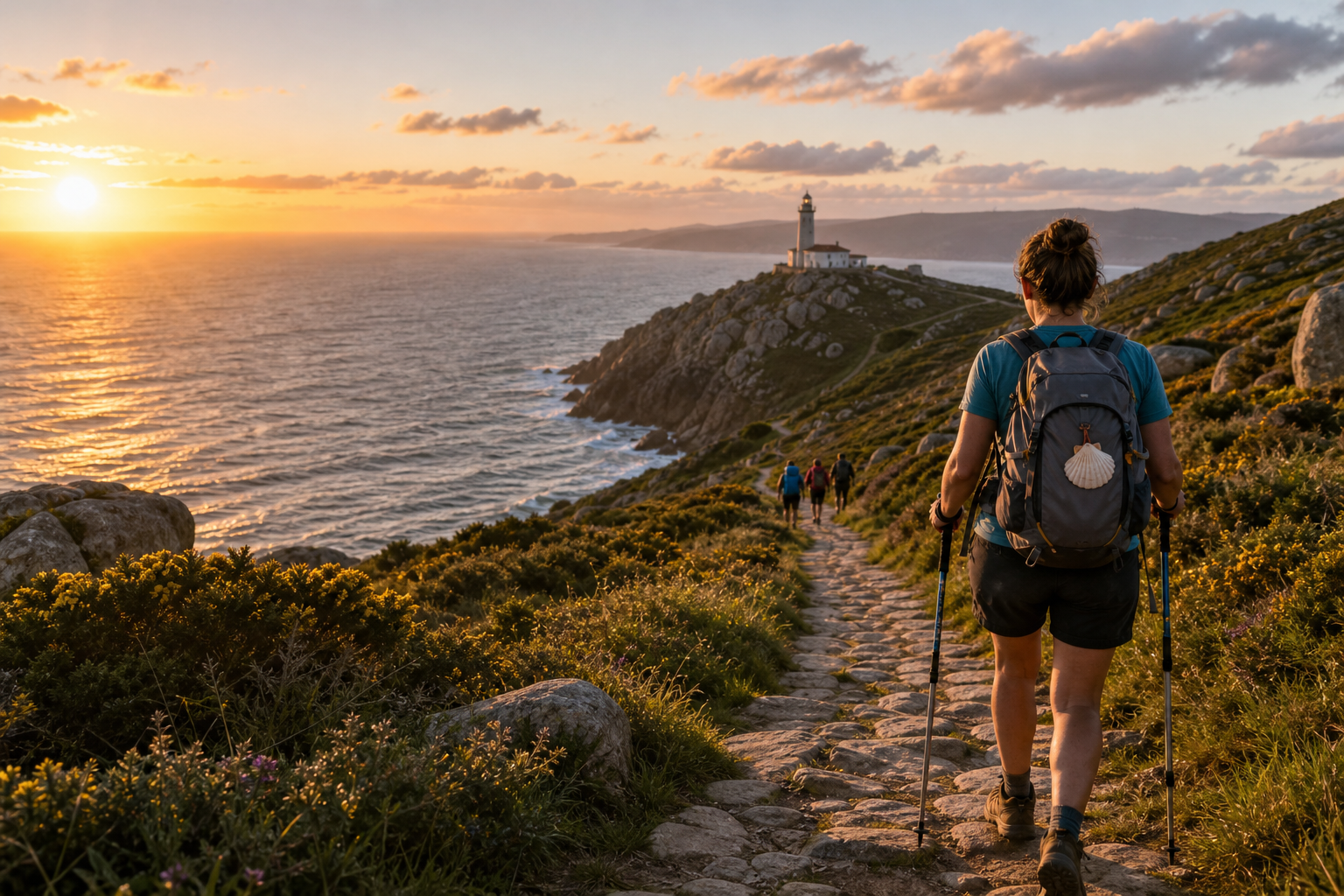
A pilgrim trail scene on the Camino de Santiago with wayfinding markers and morning light
Premium ready-made plan 10–14 Day Adventures Hiking & Walking Trips

Camino de Santiago (14 Days): Final 100+ km Sarria to Santiago + Coast Epilogue

Walk the Compostela-eligible stretch into Santiago—then take a deep breath, stay a little longer, and finish with Atlantic wind in Fisterra and optional Muxía.

Sarria → Santiago (on foot) Stamp guardrails Recovery day built in Santiago finish flow Coast epilogue (bus-based)
Buy this plan
Checkout controls load here.

Preview page: highlights and a high-level day-by-day—full plan details are inside the paid guide.

Why this 14-day Camino (and who it’s for)

This plan is built to get you the Compostela-qualifying finish without rushing the experience—then gives you time to actually feel the ending: Santiago, then the Atlantic edge.

First-timer guardrails: stamps, crowds, pacing, sleep

  • Stamp system baked into your daily rhythm (especially the last 100 km).
  • Moderate pacing with a recovery day to reduce overuse injuries.
  • Sleep-first mindset for the high-demand last-100 km stretch (book earlier in peak periods).
  • Comfort option: luggage transfer and private rooms some nights—without losing the Camino feeling.

Distances are approximate and can vary with detours, variants, and where you choose to sleep.

Compostela requirements (don’t miss this)

Minimum distance + Credencial basics (100 km on foot)

To receive the Compostela, official guidance states you must complete at least the last 100 km on foot (or horseback) into Santiago on an official Camino route, and carry your Credencial (pilgrim passport) with stamps. Sources: caminodesantiago.gal, oficinadelperegrino.com

Two stamps per day in the last 100 km

In the final 100 km, guidance states pilgrims on foot/horseback should collect at least two stamps per day (for example: one in the morning and one in the afternoon). Make sure stamps are dated. Source: caminodesantiago.gal

Preview note:

The paid plan includes a simple daily “stamp routine” so you don’t have to think about compliance when you’re tired.

The 14-day day-by-day itinerary (preview)

A realistic flow that protects your feet, keeps your Compostela requirements front-and-center, and gives the finish room to land.

Days 1–2: Arrive + get to Sarria

Build a buffer night so you don’t start wrecked. Transfer timing varies—always re-check schedules for your date.

Days 3–9: Walk the final 100+ km (stages + rest day)

Day 3: Sarria → Portomarín Settle in; start your 2-stamps/day rhythm. (~22 km)
Day 4: Portomarín → Palas de Rei Steady day; keep breaks honest. (~25 km)
Day 5: Recovery day (Palas de Rei) Rest and foot care to reduce injury risk.
Day 6: Palas de Rei → Melide Comfort split: a shorter day by design. (~15 km)
Day 7: Melide → Arzúa Short stage to stay strong for the finish. (~14 km)
Day 8: Arzúa → O Pedrouzo Stay steady; prep for Santiago. (~19 km)
Day 9: O Pedrouzo → Santiago Finish day; keep stamps compliant. (~19 km)
Stamp rule reminder Final 100 km: at least two stamps/day (dated). (Verify current rules.)

Days 10–11: Santiago finish (Compostela + city time)

Secure your Compostela via the Pilgrim’s Reception Office and give yourself time for the Cathedral experience (details can be time-sensitive—verify close to travel). Sources: oficinadelperegrino.com, catedraldesantiago.es

Days 12–14: Fisterra/Muxía epilogue + return

Bus out to the Atlantic for a clean emotional ending: Fisterra sunset, optional Muxía, then return to Santiago for onward travel (always verify schedules). Source: santiago.es

Getting to the coast (Santiago ↔ Fisterra/Muxía)

Bus operator + why you must re-check timetables

Santiago’s official guidance references services operated by Monbus from Santiago’s Intermodal Station. Timetables can change—re-check schedules for your exact date before purchase. Source: santiago.es

Keep expectations clean:

Walking Santiago → Fisterra is a post-finish continuation (it’s away from Santiago). This 14-day plan uses a bus-based epilogue so you can keep the trip compact. Source: santiago.es

Packing + blister prevention + training (premium modules)

This preview keeps it high-level. Inside the paid plan, you’ll get comfort-forward modules designed for consistency on the last 100 km—especially foot care, pacing, and a simple “don’t overthink it” packing system.

  • Packing structure for walking days vs. transferred bag days
  • Blister prevention routine (what to do at the first hot spot)
  • Simple training approach for moderate hikers
  • “Verify-before-travel” checklist for time-sensitive items (office hours, transport, terms)

Safety reminder: Spain’s emergency number is 112. Source: administracion.gob.es

Ready to adventure?

Get this ready-made Cracken Travel plan and spend less time planning.